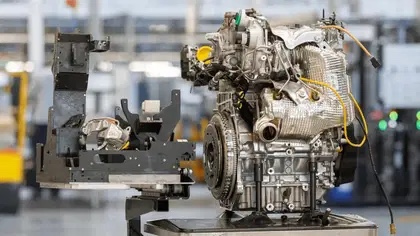
While Europe pushes toward electrification and a 2035 combustion phase-out, Renault has just demonstrated that traditional petrol technology is far from obsolete. The brand has developed an ultra-efficient gasoline engine that breaks previous fuel consumption records.
This raises an important question:
Is combustion technology truly ending — or simply evolving?
What Happened?
Renault revealed a new petrol engine achieving exceptionally low fuel consumption figures. The technology focuses on:
- Advanced thermal efficiency
- Improved combustion control
- Reduced friction losses
- Optimized injection systems
The result: significantly lower fuel consumption compared to previous-generation engines.
Why This Matters
The 2035 Debate Is Not Black & White
Europe plans to phase out new combustion car sales by 2035, yet developments like this suggest manufacturers are still investing heavily in optimizing internal combustion engines.
This signals:
- Hybrid systems will likely remain important
- Combustion efficiency may continue improving until the final phase-out
- Policymakers may face pressure if technology keeps advancing
Consumer Impact
For buyers who:
- Lack access to reliable charging infrastructure
- Drive long distances
- Prefer lower upfront costs
Ultra-efficient petrol engines remain a viable option in the transition period.
Market Strategy Implications
Manufacturers appear to be hedging risk:
- Investing in EV platforms
- Improving hybrid systems
- Refining combustion engines simultaneously
This diversified strategy reduces exposure to regulatory or infrastructure uncertainty.
Long-Term Outlook
Even if the 2035 target remains in place, innovation in combustion engines:
- Lowers emissions in the short term
- Reduces fuel costs for consumers
- Buys time for charging infrastructure expansion
Efficiency improvements could slow the immediate push toward full electrification in certain segments.
For Buyers: What Should You Do?
If you’re considering a vehicle purchase:
- Compare total cost of ownership (fuel vs electricity)
- Monitor subsidy changes
- Evaluate your local charging infrastructure
- Consider hybrid as a bridge technology

 Benable.blog