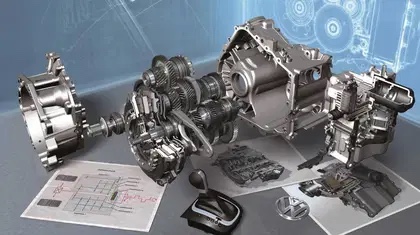
Dual-clutch transmissions (commonly known as DSG in Volkswagen Group vehicles) are praised for their fast, smooth gear changes and fuel efficiency. However, when purchasing a second-hand car equipped with a DSG gearbox, careful inspection is essential.
Here’s what you need to know.
What Is a DSG Gearbox?
DSG stands for Direct-Shift Gearbox, a dual-clutch automatic transmission system used by brands within the Volkswagen Group such as:
#Volkswagen #Audi #Škoda #SEAT
It uses two clutches:
- One for odd gears
- One for even gears
This allows lightning-fast gear changes without interrupting power delivery.
Why DSG Is Popular
- Smooth shifting
- Better fuel efficiency than traditional automatics
- Sporty driving feel
- Widely available in European used market
But there are important risks when buying second-hand.
What to Check Before Buying
Maintenance History Is Crucial
Many DSG gearboxes require oil and filter changes every 60,000 km (depending on type).
⚠ If maintenance was skipped, internal wear can occur.
Always ask for documented service history.
Wet vs Dry Clutch Versions
There are two main types:
- Wet clutch DSG → more durable, oil-cooled
- Dry clutch DSG → lighter and more fuel-efficient, but more sensitive to wear
Some early dry-clutch versions had reliability complaints.
Test Drive Red Flags
During test drive, watch for:
- Jerking at low speed
- Hesitation when accelerating
- Delayed gear engagement
- Vibrations
These may indicate clutch wear or mechatronic unit issues.
Mechatronic Unit Problems
The mechatronic unit controls gear shifts electronically. Repairs can be expensive if it fails.
Repair costs can range significantly depending on model and damage severity.
Potential Repair Costs
- Clutch replacement: expensive
- Mechatronic repair: costly
- Full gearbox replacement: very high cost
This is why buying a DSG-equipped used car requires careful inspection.
Strategic Market Insight
DSG-equipped vehicles are very common in the European used market. Because of this:
- Resale value remains strong
- Buyers are familiar with the system
- Well-maintained units are reliable long-term
However, poorly maintained examples can become expensive quickly.
Should You Avoid DSG?
Not necessarily. if:
- Maintenance is documented
- Test drive feels smooth
- No warning lights
- Software updates were performed
Then DSG can be an excellent choice.
✅ Buyer Checklist
- Ask for full service records
- Verify DSG oil change intervals
- Scan the car with an OBD diagnostic tool
- Test drive in traffic and at highway speed
- Avoid vehicles with unclear history

 Benable.blog